General Dentist Bakersfield CA: Helping Patients Smile With Confidence
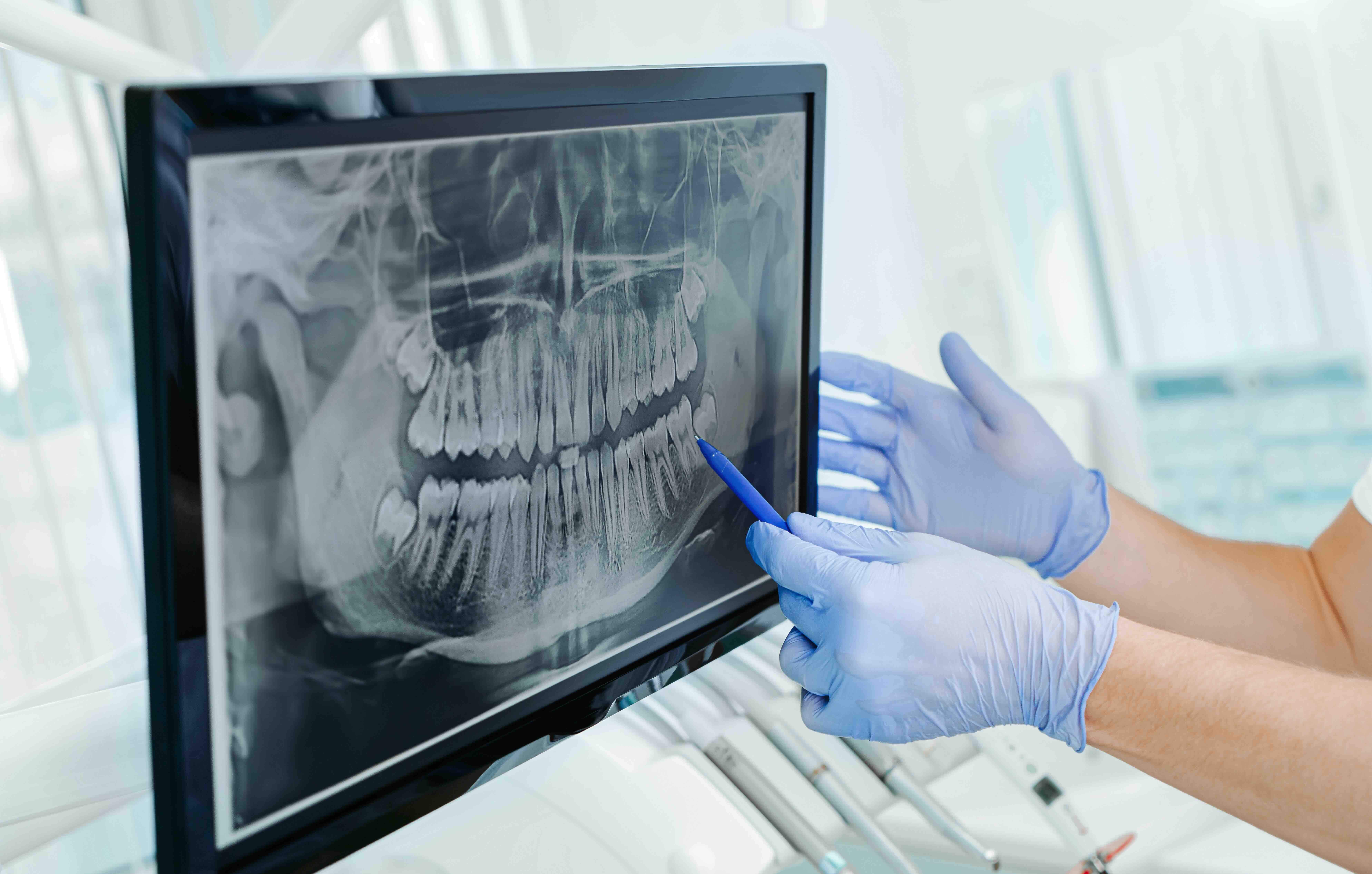
A healthy smile does more than brighten a photo. It affects how people eat, speak, sleep, work, and interact with others every day. In a city like Bakersfield, where families juggle school schedules, shift work, sports, commutes, and year-round activities, dental care often gets pushed behind more urgent demands. The problem is that oral health rarely waits politely in the background. Small issues tend to grow, sometimes quietly, until they begin to affect comfort, appearance, and confidence.
That is where a trusted general dentist makes a real difference. Good dentistry is not only about fixing cavities. It is about helping patients stay ahead of pain, preserve their natural teeth, and feel comfortable showing their smile without hesitation. A strong dental relationship can change how a person feels walking into a job interview, laughing with friends, or sitting down to a meal.
For anyone searching for a General dentist Bakersfield CA residents can rely on, it helps to understand what general dentistry actually covers, what high quality care looks like, and why consistency matters more than people often realize.
What a general dentist really does
Many people hear the term "General dentist" and assume it refers only to routine cleanings and the occasional filling. In practice, the role is much broader. A general dentist is often the first and most important point of contact for long-term oral health. This is the doctor who tracks changes over time, spots problems early, and connects the dots between daily habits, medical history, and dental needs.
A skilled general dentist typically manages preventive care, diagnostic exams, digital X-rays when needed, fillings, crowns, gum health monitoring, and treatment planning. They also evaluate bite issues, watch for signs of grinding, screen for oral cancer, and decide when a specialist referral is appropriate. That last point matters. Good general dentistry is not about trying to do everything. It is about knowing what can be treated in-house, what should be monitored, and when a patient will benefit from a periodontist, endodontist, oral surgeon, or orthodontist.
In day-to-day practice, general dentistry often looks deceptively simple. A patient comes in for a cleaning, mentions mild sensitivity on the lower right side, and expects a quick answer. But that sensitivity could be a worn filling, gum recession, a crack line, clenching, or decay between the teeth that is not visible without imaging. The value of experience shows up in those ordinary moments. The dentist is reading patterns, asking better questions, and looking beyond the obvious.
Confidence starts with comfort and trust
When patients talk about wanting a better smile, they are not always asking for cosmetic treatment. Often, they mean they want to stop worrying. They want to smile without wondering whether someone notices a dark filling, stained teeth, inflamed gums, or a chipped front tooth. They want fresh breath that does not make them self-conscious in close conversations. They want to eat on both sides of their mouth again.
Confidence in dentistry usually begins with comfort, not perfection. A person who has avoided the dentist for years because of fear or embarrassment does not need a lecture. They need a calm room, a clear explanation, and treatment that feels manageable. The best dental teams understand this instinctively. They know some patients want every detail before a procedure, while others do better with concise reassurance and a step-by-step pace.
This is one reason continuity of care matters so much. When the same general dentist sees a patient over time, visits become less stressful. The dentist remembers which areas have been sensitive in the past, how the patient responds to anesthesia, whether they clench at night, and what concerns are most likely to keep them from returning. Familiarity lowers friction. Lower friction leads to better follow-through. Better follow-through leads to healthier teeth and more confident smiles.
Preventive care is less glamorous, and far more important
Most major dental problems do not begin as major dental problems. They begin as plaque left too long at the gumline, a filling margin that starts to leak, a hairline fracture in a molar, or dry mouth caused by medication. Preventive care works because it catches these issues while they are still smaller, simpler, and less expensive to manage.
Routine exams and professional cleanings are the foundation. A thorough cleaning removes hardened buildup that brushing and flossing cannot handle at home. The exam gives the dentist a chance to evaluate existing work, soft tissue health, gum condition, bite forces, and any suspicious changes. If X-rays are taken, they can reveal decay between teeth, bone loss, infection, or hidden problems beneath the surface.
Patients sometimes ask whether six-month visits are truly necessary. The honest answer is that it depends on the person. Six months is a common interval because it works well for many adults with average risk. But some people benefit from more frequent periodontal maintenance, particularly if they have gum disease, diabetes, heavy tartar buildup, or a history of recurrent decay. Others with very stable oral health may have care tailored differently. That is a clinical judgment call, not a one-size-fits-all rule.
The cost difference between prevention and delay is not subtle. A routine cleaning and exam are one thing. A neglected cavity that turns into a root canal, crown, and eventual fracture is something else entirely. Beyond the financial piece, there is time off work, discomfort, and the frustration of treating a problem that could often have been intercepted much earlier.
Bakersfield patients often face practical challenges
Dental care does not happen in a vacuum. Bakersfield families often deal with packed schedules, outdoor heat, sports practices, agricultural work, construction jobs, and long hours that make self-care harder to maintain. Those realities matter in the exam room.
A patient who drinks sweetened coffee through a long morning shift may not think of that as a cavity risk, but frequent sugar exposure keeps acid levels elevated. Someone working outdoors may reach for sports drinks all day, assuming they are making a healthier choice than soda, while still bathing teeth in acid and sugar. A teenager in braces or aligners may be diligent at home for the first month, then gradually loosen the routine once school and activities ramp up. A parent might delay treatment for their own cracked tooth while making sure the children get seen first.
General dentistry works best when advice reflects real life. Telling a patient to floss more is technically correct and often practically useless unless it comes with a strategy. For one person, the answer may be floss picks kept in the truck console. For another, it may be using a water flosser at night because traditional flossing has become difficult around bridgework or crowded back teeth. Sustainable habits usually win over ideal habits.
Common services that support a healthier, more confident smile
A General dentist Bakersfield CA patients trust will usually provide a wide range of services designed to preserve teeth, improve function, and restore appearance. Some visits are purely preventive. Others are more restorative. Most fall somewhere in between.
Cleanings and exams remain the bedrock, but restorative treatment often becomes necessary at some point. Tooth-colored fillings are popular because they blend naturally and preserve a more seamless appearance, especially in visible areas. Crowns are frequently used when a tooth has lost too much structure for a filling to hold reliably. A crown is not only about appearance. It is often about preventing a weakened tooth from splitting under normal chewing pressure.
For patients with missing teeth, replacement options deserve careful thought. A gap in the smile may feel like a cosmetic issue, but it can also affect chewing efficiency, neighboring tooth movement, and bite balance. Depending on the situation, a dentist may discuss a bridge, a removable partial denture, or referral for dental implants. There are trade-offs with each option. Cost, bone support, hygiene demands, and long-term maintenance all matter.
Another common area is gum care. Many people think cavities are the main threat to adult teeth, yet gum disease is one of the leading reasons adults lose teeth over time. Bleeding gums are often treated as normal because they are common. They are not normal. They are a sign of inflammation, and inflammation that lingers can begin to affect the supporting bone around the teeth. Patients are often surprised to learn that gum disease may not hurt much in its early and even moderate stages. That quiet progression is exactly why regular monitoring matters.
Small cosmetic improvements can have an outsized impact
Not every patient wants a major smile makeover. In fact, many confidence-boosting improvements are fairly modest. A chipped edge repaired with bonding, a replacement for an old discolored filling on a front tooth, or a properly fitted whitening plan can change how a patient feels almost immediately.
One of the most common patterns General dentist Bakersfield CA in general practice is the patient who apologizes for their teeth before anyone says a word. Sometimes the issue they are worried about is far less severe than they imagine. Years of coffee stain, slight crowding, or a small fracture line near the front can feel enormous to the person living with it. A thoughtful general dentist knows how to separate what is urgent from what is elective, and how to create a plan that improves appearance without over-treating.
That balance matters. Ethical cosmetic care should protect the tooth, not sacrifice healthy structure unnecessarily. There are times when the best move is simple polishing and whitening. There are times when conservative bonding makes sense. And there are cases where a referral for orthodontics or more comprehensive cosmetic planning is the better path. Experience shows in the ability to resist doing more than the patient actually needs.
Dental anxiety is common, and it deserves respect
Fear of the dentist is not rare. Some patients had painful experiences years ago. Others dislike the sounds, the numb feeling after treatment, or the sense of not being in control. A few have gone so long without care that embarrassment becomes its own barrier.
A professional dental team does not dismiss these concerns. They work with them. Sometimes that means booking extra time for a first visit so the patient never feels rushed. Sometimes it means discussing treatment in phases, starting with the most urgent need and rebuilding trust one appointment at a time. In certain offices, comfort options are available depending on the procedure and the patient's health history.
Patients who are nervous often assume they are the most difficult person on the schedule. Usually, they are not. Dentists and hygienists see dental anxiety every week. The key is communication. If a patient says, "I need you to tell me before you do anything," or "I need a break if I raise my hand," that information can make the visit dramatically easier. Confidence is built gradually. A positive cleaning after a long gap can be the first step toward catching up on care without dread.
How to tell when it is time to schedule a visit
Some dental problems announce themselves clearly. Others are much quieter. If any of the signs below are happening, it is worth getting checked sooner rather than later.
- Bleeding gums during brushing or flossing
- Sensitivity to cold, sweets, or biting pressure
- A chipped tooth, rough edge, or lost filling
- Persistent bad breath or a bad taste in the mouth
- Jaw soreness, headaches, or signs of clenching and grinding
None of these automatically means a major procedure is ahead. Bleeding gums may improve with better hygiene and professional care. Sensitivity might come from recession, whitening, a cracked filling, or exposed root surfaces. The point is not to self-diagnose too confidently. The point is to avoid waiting until pain forces the issue.
Choosing the right general dentist in Bakersfield
People often choose a dental office based on convenience first, and that is understandable. Location, parking, hours, and insurance compatibility all matter. But if the goal is long-term oral health and confidence, a few deeper qualities deserve attention.
A strong general dentist explains findings clearly without creating panic. If treatment is needed, the patient should understand why it matters, what happens if it is delayed, and what the options are. Good offices also handle the practical side well. They confirm appointments, communicate fees in a straightforward way, and respect the patient's time.
It is also worth paying attention to how conservative the dentist seems. Conservative does not mean passive. It means the doctor is thoughtful, protects healthy tooth structure, and does not rush into aggressive treatment without reason. At the same time, they do not minimize a problem that is likely to worsen. This middle ground is where trust is built.
Patients in search of a General dentist Bakersfield CA families can return to year after year often find the best fit by looking for these qualities:
- Clear communication about diagnosis, options, and costs
- A preventive mindset, not just a repair mindset
- A calm, respectful approach for anxious patients
- Modern diagnostic tools used with sound judgment
- A team that values continuity and follow-up
That last point is often overlooked. Dentistry is a long game. Teeth change, restorations age, gums respond to home care, and life circumstances shift. A dentist who follows through and tracks these changes over time offers something more valuable than one-time treatment. They offer stewardship.
What good home care looks like between appointments
Patients sometimes think home care has to be elaborate to be effective. Usually it does not. Consistency matters more than complexity. Brushing thoroughly twice a day with fluoride toothpaste, cleaning between the teeth once daily, and being aware of snacking patterns go a long way. So does knowing your personal weak spots.
For one patient, the weak spot may be nighttime grinding that slowly wears enamel and causes jaw tension. For another, it may be dry mouth from medications, which raises cavity risk quickly because saliva is one of the mouth's main protective systems. Someone else may have excellent brushing habits but miss the gumline around lower front teeth where tartar accumulates easily.
This is why personalized advice beats generic advice every time. A general dentist sees where problems tend to recur and can guide home care accordingly. If recession is increasing, a softer brushing technique may be needed. If decay keeps appearing around old dental work, the issue may be plaque retention near margins or frequent sugar exposure, not simply poor brushing. When patients understand the "why," they are far more likely to change the "how."
The link between oral health and overall well-being
Dentistry is part of health care, not separate from it. Inflammation in the gums, untreated infection, and chronic pain can affect daily life in ways people do not always connect back to the mouth. Sleep quality suffers when someone clenches all night or avoids treatment on a painful tooth. Nutrition changes when chewing becomes difficult. Confidence drops when a person hides their smile or avoids speaking up in public.
There are also broader medical connections worth respecting. Patients with diabetes may face more gum challenges. Certain medications can dry the mouth and increase decay risk. Pregnancy can influence gum sensitivity. Cardiac history, autoimmune conditions, and osteoporosis treatment can all shape dental planning. A good general dentist pays attention to the full health picture, not just the tooth in question.
This is one reason annual or periodic updates to medical history matter. Patients sometimes think, "My dentist only needs to know about my teeth." In reality, the medication added six months ago may explain the sudden change in oral dryness. The joint replacement history may alter antibiotic considerations in specific circumstances depending on physician guidance and current standards. The new blood thinner may affect treatment planning. Dentistry is detailed work, and details matter.
Restoring confidence after years of neglect
Some of the most rewarding cases in general practice are not dramatic before-and-after transformations. They are quieter stories. A patient who had not been seen in ten years comes in because a front tooth chipped. They expect judgment. Instead, they receive a careful exam, a manageable treatment plan, and a team that focuses on next steps rather than past mistakes.
At first, the goal may simply be stabilization, address active decay, treat gum inflammation, replace what is failing, and get the mouth comfortable again. Later, once health is back on track, confidence often follows naturally. The patient smiles more. They stop covering their mouth in conversation. They begin showing up for preventive visits because dentistry no longer feels like a crisis service.
That shift is significant. A reliable General dentist can help transform the dental experience from something reactive and stressful into something routine and empowering. This is especially important for parents, because children notice how adults treat dental care. When they see regular visits treated as normal health maintenance rather than emergency repair, they carry that perspective forward.
A healthy smile is built over time
There is no single appointment that creates lasting oral health. It is built visit by visit, habit by habit, decision by decision. A cleaning here, a filling before it becomes a root canal there, a night guard before years of grinding take their toll. Confidence grows in the same way. It comes from knowing your teeth are cared for, your concerns are heard, and your smile reflects health rather than worry.
For Bakersfield patients, finding the right general dental home can make that process far easier. The best care is practical, steady, and individualized. It respects the patient's time, budget, and comfort while still protecting the long-term health of the mouth. Whether someone needs routine preventive care, restorative work, help managing gum health, or simply a fresh start after years away, a trusted General dentist can make that path feel approachable.
Smiling with confidence is not about chasing perfection. It is about having teeth and gums that feel strong, function well, and let you move through daily life without hesitation. That is the real work of general dentistry, and when it is done well, patients feel the difference every time they talk, laugh, and eat without a second thought.
Smyle Dental Bakersfield
Address: 2016 E St, Bakersfield, CA 93301
Phone number: +16614939040
FAQ About General dentist Bakersfield CA
What does it mean by general dentist?
A general dentist is your primary dental care provider. They act like a family doctor for your mouth. They focus on the overall health of your teeth and gums, providing routine checkups, cleanings, and basic treatments like fillings or crowns for patients of all ages.
What is the difference between a dentistry practitioner and a dentist?
A dentist is a specific licensed doctor who diagnoses and treats teeth and gums, holding a DDS or DMD degree. A "dentistry practitioner" (or dental practitioner) is a broader regulatory term that includes dentists as well as other licensed oral health workers like hygienists and therapists.
When to see a dentist for gum pain?
See a dentist for gum pain if it lasts more than a few days, or right away if you have severe swelling, pus, fever, or bleeding. Mild pain from a scratch can heal on its own, but lasting soreness often points to gum disease, an infection, or an abscess.