How Dental Implants Bakersfield CA Can Transform Missing Teeth
Losing a tooth changes more than a smile. It affects how food feels, how words sound, and how comfortable a person feels walking into a meeting or sitting down for dinner. I have seen people adapt in surprisingly creative ways, chewing only on one side, smiling with lips closed, avoiding steak, apples, or even photos. Most can get by for a while. Very few feel completely at ease.
That is where dental implants can make a real difference. For many adults, implants offer something close to getting a natural tooth back, not just in appearance, but in function and day-to-day confidence. When patients ask about Dental Implants Bakersfield CA, they are usually not asking only about a procedure. They are asking whether they can eat comfortably again, whether their denture has to keep slipping, whether the gap in the back of the mouth actually matters, and whether treatment is worth the investment.
The short answer is that dental implants can be transformative, but only when they are planned carefully and matched to the right person, the right site, and the right expectations.
What a dental implant actually replaces
A dental implant is not simply a fake tooth placed on top of the gums. It is a small titanium or ceramic-based post placed into the jawbone to act like a tooth root. After the implant bonds with the bone over time, a connector and custom-made crown are attached. That crown is the visible part, but the real advantage comes from replacing the missing root beneath the surface.
This matters because traditional tooth replacement options do not always address the full problem. A bridge can restore the visible gap, but it typically relies on neighboring teeth for support. A removable partial denture can replace several missing teeth, but it sits on the gums and often shifts slightly under pressure. An implant works differently. It stands on its own, anchored in bone.
That design changes how force is handled when chewing. It also helps preserve the https://travisverc157.cloudhinter.com/posts/how-missing-teeth-affect-health-and-how-dental-implants-bakersfield-ca-help jawbone in the area of the missing tooth. When a tooth is lost, the body begins to resorb bone in that space because the root is no longer there to stimulate it. Over time, that can lead to a sunken appearance, changes in bite, and more complicated treatment later.
A single missing front tooth, for example, may seem mostly cosmetic at first. Five years later, the gums and bone can look very different if nothing was done to preserve the area. In the back of the mouth, where missing teeth are easier to hide, bone loss may go unnoticed until a patient realizes the opposing tooth has started drifting or the bite no longer feels stable.
Why missing teeth affect more than appearance
People often underestimate the ripple effect of tooth loss. The mouth is a system, and when one part goes missing, the rest adjusts. Sometimes those adjustments are subtle. Sometimes they become expensive.
Chewing efficiency is one of the first things to decline. A person with one missing molar may not feel disabled, but they often chew around it without noticing. That extra workload falls on the opposite side of the mouth. Over months or years, it can contribute to uneven wear, tenderness, or fractures in teeth doing more than their share.
Speech can be affected too, especially when front teeth are missing. Certain sounds depend on the tongue, lips, and teeth meeting in very precise ways. Even a small change in spacing can alter pronunciation enough that patients become self-conscious.
Then there is the social side, which deserves more respect than it often gets. A person who stops smiling naturally, declines invitations to eat out, or worries constantly about a denture moving is carrying a daily burden. It may not show on an X-ray, but it is real. Restoring missing teeth can remove a low-grade stress that has been present for years.
Why implants often feel more natural than other options
The main reason implants feel different is stability. Once healed, they do not need to come out at night. They do not usually rock when chewing. They are cleaned in the mouth, much like natural teeth, though proper home care is still essential.
Patients who move from a removable appliance to implants often describe the shift in simple terms. Food tastes better because the palate is not covered. Speech becomes easier because they stop monitoring every word. They forget they are wearing a replacement tooth at all. That last point matters. The best dental work often disappears into normal life.
There is also a psychological difference between replacing a crown of a tooth and replacing the root. When a treatment is anchored below the gumline, it tends to feel less like a prosthetic and more like a part of the body. That is hard to measure, but easy to hear when patients talk about the result months later.
The Bakersfield factor: why local conditions and habits matter
When people search for Dental Implants Bakersfield CA, they are often comparing providers, pricing, and procedure types. Those are sensible questions. But local lifestyle factors matter too. Bakersfield patients are not all the same, though many share practical concerns shaped by work schedules, family demands, and budget planning.
Some have physically demanding jobs and want to know how much downtime is really involved. Others have postponed treatment because they thought implants were purely cosmetic. Many are dealing with long-standing missing teeth and want to know whether bone loss has already made treatment harder.
In a region where people often value durable, practical solutions, implants appeal for a straightforward reason: they are built to restore function in a lasting way. That does not mean they are always simple or cheap. It means that when planned well, they solve problems at the source rather than covering them temporarily.
Climate and dryness can also play a small supporting role in oral comfort. Bakersfield’s dry conditions do not cause implant failure, but dry mouth, whether from environment, medication, or health conditions, can raise cavity and gum disease risk around natural teeth and implant restorations alike. Good maintenance matters.
Who makes a good candidate
A good implant candidate is not defined by age alone. I have seen healthy adults in their seventies and eighties do very well with implants, while some younger patients need medical or dental issues stabilized first. The real questions are whether the mouth is healthy enough, whether there is enough bone, and whether the patient can maintain the result.
Several factors usually matter most:
- Healthy gums or gum disease that has been treated and controlled
- Adequate bone volume, or a realistic plan for grafting if bone is limited
- No uncontrolled medical issues that would seriously impair healing
- A commitment to home care, professional cleanings, and follow-up
- A clear understanding that treatment takes time, not just one visit
Smoking deserves special mention. Smokers can receive implants, but smoking increases the risk of complications, delayed healing, and long-term implant problems. Heavy grinding or clenching can also shorten the life of the final restoration if it is not managed with proper design and, in many cases, a night guard.
Diabetes is another area where nuance matters. Well-controlled diabetes is not usually an automatic barrier to treatment. Poorly controlled diabetes, on the other hand, can interfere with healing and raise infection risk. Medications, immune conditions, and previous radiation treatment to the jaws all warrant a careful review.
The process is more deliberate than many people expect
Implants are not usually a same-day fix, though some patients can receive a tooth the same day an implant is placed. What matters is not speed for its own sake, but whether the site is ready and the treatment plan is sound.
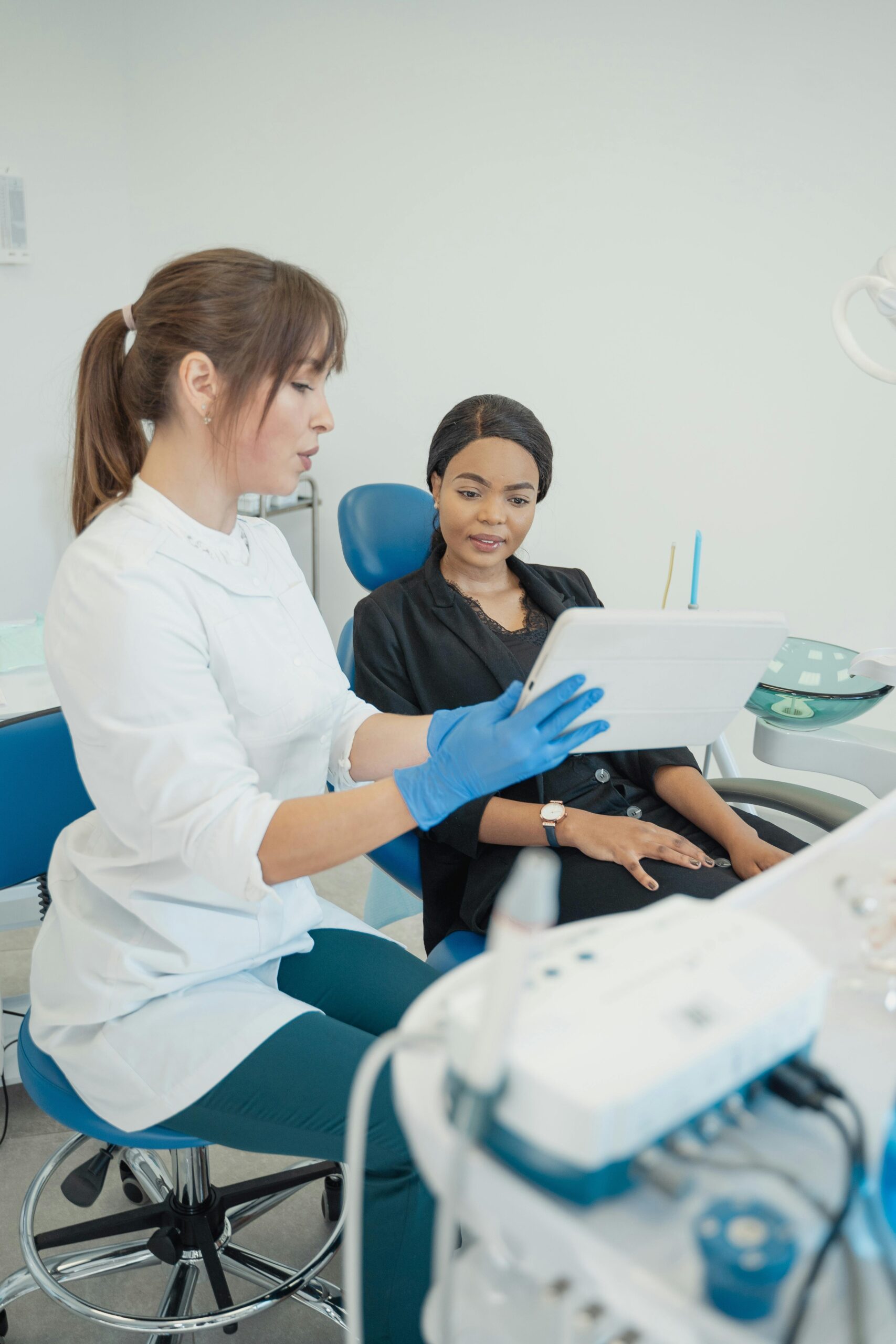
Most cases begin with a clinical exam, digital imaging, and a discussion of goals. A cone beam CT scan is often used to evaluate bone shape, density, and important anatomical structures such as the sinus or nerve canal. This is where good planning earns its keep. An implant placed a few millimeters off ideal can create functional or cosmetic compromises that are difficult to hide later.
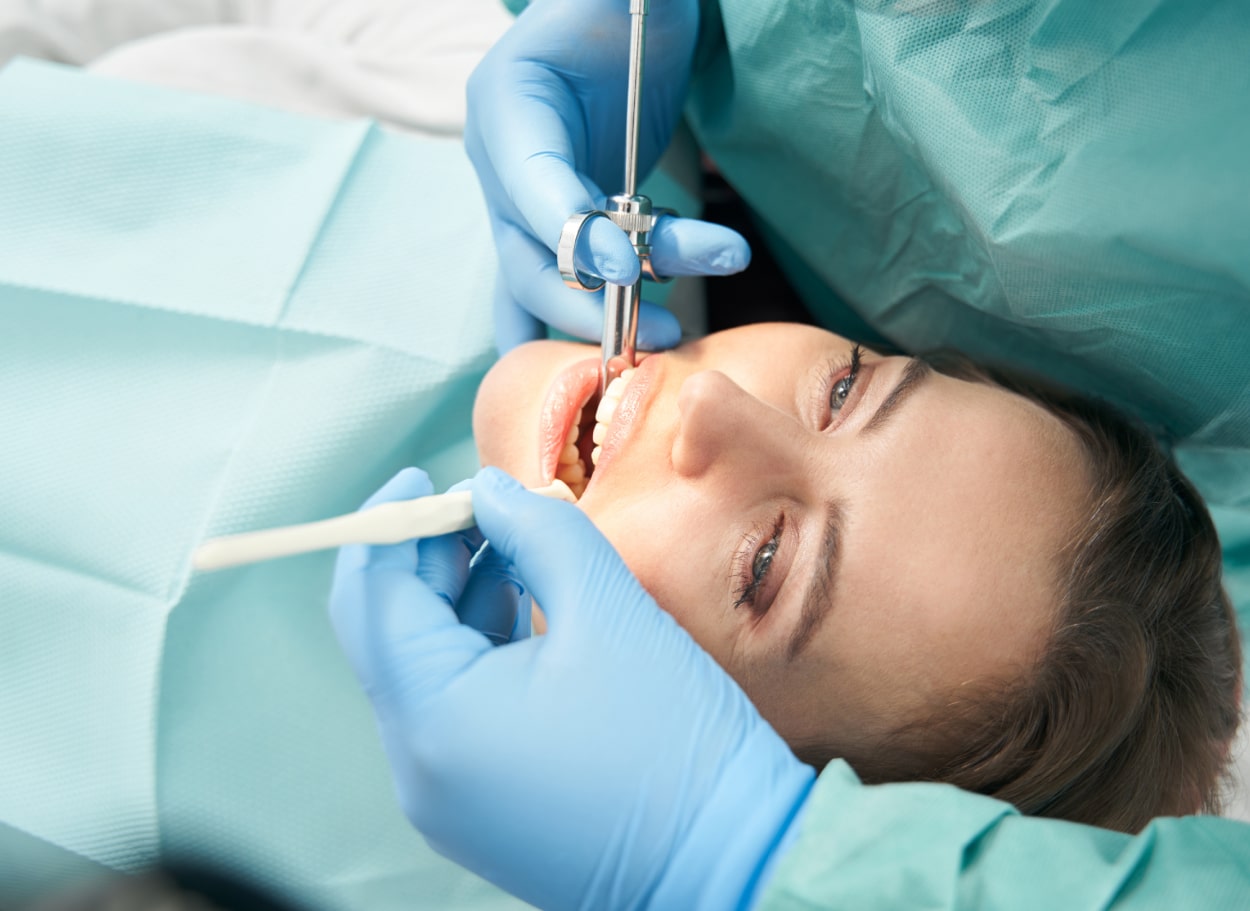
If a failing tooth must be removed, the dentist or surgeon will determine whether the implant can be placed immediately or whether the site should heal first. Immediate placement can work beautifully in the right case, especially when the surrounding bone and gum tissue are intact. In other situations, delaying placement leads to a more predictable outcome.
Healing then takes time. Bone must integrate with the implant surface, a process called osseointegration. Depending on the site, the patient’s biology, and whether grafting was done, this may take a few months. That waiting period is not dead time. It is when the foundation becomes reliable.
After integration, the implant is restored with a crown, bridge, or denture attachment. The visible tooth is shaped, shaded, and adjusted to fit the bite. This stage is often where patients first recognize how much life with a missing tooth had changed their habits.
Bone grafting sounds intimidating, but it is often routine
Bone grafting alarms many patients because it sounds major. In practice, it is often a normal part of implant treatment. When a tooth has been missing for a while, the bone ridge may shrink in width or height. Grafting helps rebuild the area so an implant can be placed more securely and in a better position.
That does not mean every patient needs extensive reconstruction. Sometimes a small graft at the time of extraction preserves the ridge and prevents a bigger problem later. In upper back teeth, a sinus lift may be recommended if the sinus has expanded downward and reduced available bone height.
The important point is that grafting is not a sign that something has gone wrong. It is often the step that makes a strong long-term result possible. The trade-off is cost, healing time, and an extra layer of planning. For many patients, that trade-off is worth it.
Single tooth, several teeth, or a full arch
Not all implant treatment looks the same. Replacing one tooth with one implant is common, but the benefits become even more striking when several teeth are missing.
A person missing three side-by-side teeth may not need three separate implants. In some cases, two implants can support a bridge. Someone struggling with a loose lower denture may gain tremendous function from just two implants used to stabilize that denture. At the other end of the spectrum, full-arch implant restorations can support an entire upper or lower set of teeth for patients who have lost most or all of their dentition.
This is where judgment matters. More implants are not automatically better. Fewer implants are not always the bargain they appear to be. The right design depends on bone, bite force, smile line, hygiene ability, and budget. A thoughtful treatment plan balances all of those factors.
What patients usually notice after treatment
People often focus on the surgery beforehand, then talk about ordinary moments afterward. Biting into a sandwich without thinking about it. Laughing without covering the mouth. Eating on both sides again. Ordering corn on the cob or a steak after years of avoidance. These changes sound small until you realize they happen every day.
A patient who had worn a lower denture for years once described the difference to me in the most practical way possible: “I stopped packing adhesive when I left the house.” That single sentence captured comfort, confidence, and relief better than any brochure could.
Cosmetically, well-done implant dentistry can be remarkably lifelike, but expectations should remain realistic. The goal is not always perfection under intense scrutiny. The goal is a tooth or set of teeth that looks natural in conversation, in photos, and in the context of the whole face. In the front of the mouth especially, the quality of the surrounding gum tissue is as important as the crown itself.
Risks, limitations, and the questions worth asking
Implants have high success rates, but they are not magic and they are not risk-free. Infection, poor integration, mechanical loosening, gum recession, and cosmetic mismatch can occur. Most complications are manageable, especially when caught early, but patients deserve a clear-eyed view of what can go wrong.
The quality of planning and execution makes a major difference. So does maintenance. Implants can develop peri-implant disease, which is similar in some ways to gum disease around natural teeth. Bleeding, inflammation, and bone loss around an implant should never be ignored just because the implant itself cannot get a cavity.
Before starting treatment, it helps to ask practical questions such as:
- Who is placing the implant, and who is making the final restoration
- What imaging and planning tools are being used
- Whether grafting is likely, and how that changes timeline and cost
- What type of temporary tooth or appliance will be used during healing
- What maintenance will be needed after the final tooth is delivered
These are not confrontational questions. They are responsible ones. Good clinicians should be comfortable answering them in plain language.
Cost matters, and so does value
Implants are a significant investment. That reality should be acknowledged honestly. The final cost can vary widely depending on whether the case involves one tooth, multiple teeth, grafting, sinus work, sedation, or a full-arch restoration. A single uncomplicated implant crown case is very different from rebuilding an entire arch.
The cheapest quote is not always the best value, but the highest fee does not guarantee the best outcome either. What matters is the quality of diagnosis, the experience of the team, the materials used, the laboratory work, and the follow-through after placement.
Patients sometimes compare implants to a bridge or removable denture only by upfront price. That is understandable, but incomplete. A bridge may need replacement later and affects neighboring teeth. A removable appliance may require relines, remakes, or ongoing adjustments. An implant has a higher initial cost, but often offers better long-term function and comfort. The right comparison is not simply “What is cheapest today?” It is “What solution best fits my mouth, my health, and my goals over time?”
Daily care is simpler than many assume
One of the pleasant surprises for many patients is that implant care is usually straightforward. The crown cannot decay like a natural tooth, but the tissues around it can become inflamed if plaque accumulates. That means brushing well, cleaning between teeth or under bridgework, and keeping regular recall visits.
The exact tools vary. A single implant may need nothing more exotic than a soft toothbrush and floss or an interdental cleaner used properly. Implant bridges and full-arch restorations may require water flossers, threaders, or specially shaped brushes. The best home care routine is the one a person will actually do consistently.
This is another reason case selection matters. If a patient has limited dexterity, a restoration should be designed with cleanability in mind. Beauty that cannot be maintained is not a long-term success.
Timing can shape the result
When a tooth is failing, many people wait until it becomes unbearable. That is human nature, but it can narrow options. Bone and gum tissue often shrink after extraction, particularly in the front of the mouth. Sometimes placing an implant soon after removal, or preserving the socket with graft material, can make later restoration easier and more esthetic.
That does not mean rushed decisions are best. It means earlier evaluation is usually smarter than later damage control. A consultation while the tooth is still present can open options that may disappear after months or years of delay.
For anyone researching Dental Implants Bakersfield CA, this point is worth remembering: the right time to ask about implants is often before the tooth is gone, not after the ridge has collapsed and treatment has become more complicated.
The transformation is functional, cosmetic, and personal
The word “transform” can sound exaggerated in healthcare, but in the case of missing teeth, it is often accurate. Restoring a stable bite changes how a person eats. Restoring visible teeth changes how a person presents themselves. Replacing roots helps preserve the bone that supports the face and the rest of the dentition. All of that is tangible.
Yet the most meaningful change is often less visible. It is the end of constant adaptation. No more choosing foods based on what will not dislodge an appliance. No more speaking while worrying about a gap. No more wondering if people notice the missing tooth before they hear anything else.
Dental implants are not the right answer for every patient, and they should never be sold as a one-size-fits-all fix. But when the diagnosis is sound, the treatment plan is realistic, and the patient is prepared to care for the result, implants can restore more than teeth. They can restore ease. For many people, that is the part that matters most.
Smyle Dental Bakersfield
2016 E St, Bakersfield, CA 93301, United States
+16614939040
FAQ About Dental Implants Bakersfield CA
What is the downside of a dental implant?
The main downsides of dental implants involve high financial costs, surgical risks, a lengthy healing process, and the potential for long-term complications.
How much does a full set of implants usually cost?
A full set of dental implants (covering both the upper and lower arches) typically ranges from $6,000 to $90,000+, depending heavily on the type of treatment, materials used, and whether the teeth are fixed or removable.
Can I have all my teeth pulled and get implants?
Yes, you can have all your teeth pulled and replaced with dental implants. Instead of placing a separate implant for every single tooth (which is costly and time-consuming), dentists typically use full-arch systems.