When a Broken Denture Requires an Emergency Dentist in Bakersfield CA
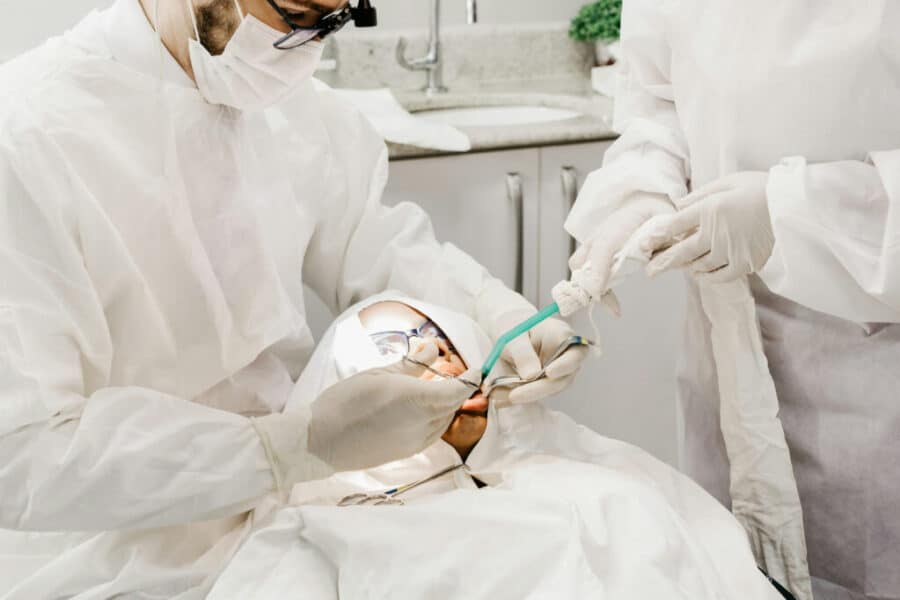
A broken denture can ruin a day in a matter of seconds. Sometimes it happens at breakfast when a small crack suddenly becomes a split across the front teeth. Sometimes it happens while cleaning, when the denture slips from wet hands and hits the sink. In other cases, the damage builds quietly over time. A fit that has been getting looser for months finally gives way, and the denture snaps under pressure that it should have been able to handle.
People often hesitate at that point. They wonder whether this counts as a true dental emergency, whether it can wait a few days, or whether a little store-bought glue might get them through the week. That uncertainty is understandable. Dentures are removable appliances, so it can be tempting to think that a break is inconvenient rather than urgent.
In practice, some broken dentures absolutely do require prompt professional care. A damaged denture can cut the gums, distort your bite, make eating unsafe, trigger jaw pain, or leave you without a workable set of teeth for speaking and daily life. If you are searching for an Emergency Dentist Bakersfield CA residents trust for fast evaluation, the key question is not simply whether the denture is broken. It is whether the break has created pain, injury, instability, or a situation likely to get worse quickly.
Not every crack is equal
Denture damage ranges from cosmetic to function-stopping. A tiny chip on a back tooth is not the same thing as a denture snapped cleanly in half. A worn spot that has started to rub the gums is different from a partial denture with a clasp bent out of shape so badly that it no longer seats correctly.
One of the most common mistakes people make is judging the urgency only by how dramatic the denture looks. I have seen dentures with small, almost invisible fractures cause major sore spots because the base flexed every time the patient bit down. I have also seen dentures with obvious chips remain usable for a short time, provided there was no pain and no sharp edge. Appearance matters, but function matters more.
A denture that no longer fits properly can create a cascade of problems. Pressure shifts to the wrong areas. The gums become inflamed. Tiny ulcers appear. Patients change the way they chew to compensate, which can strain the jaw joints and facial muscles. If the person already has a delicate ridge or thin gum tissue, a short delay can turn into a much harder repair.
The situations that justify urgent care
A broken denture becomes an emergency when it affects health, safety, or basic daily function. That is the practical standard most dentists use, even if the details vary from office to office.
Here are the clearest signs that you should call an emergency dentist promptly:
- The denture has sharp or jagged edges that are cutting your gums, cheek, or tongue.
- The appliance no longer fits and feels loose enough to slip, rock, or gag you.
- You cannot eat or speak normally because the break is severe.
- The damage followed a fall, facial injury, or accident that may also have affected the mouth, jaw, or remaining teeth.
- You have swelling, bleeding, significant pain, or signs of infection under or around the denture.
That short list covers most true same-day concerns. The common thread is risk. If wearing the denture could injure tissue, compromise eating, or mask a larger injury, waiting is usually a bad bargain.
When it can sometimes wait a day or two
Some denture problems are urgent but not middle-of-the-night urgent. If there is a small chip and no pain, or if a tooth has come off an older denture but the base is intact and you can safely leave it out, a next-available appointment may be reasonable. The same goes for a loosening fit that has become annoying but has not yet caused sores.
Even then, delaying too long tends to backfire. Dentures rarely improve on their own. A hairline crack can travel fast. What might have been a simple repair in the lab can become a full remake if the base fractures further or if repeated stress distorts it. When patients tell me they wanted to "make it through the month," that often translates into more time without a usable denture and a more expensive outcome.
Why broken dentures can become a medical problem, not just a dental inconvenience
It is easy to reduce the issue to appearance, especially with a front tooth or visible crack. But the bigger concern is often tissue health. Dentures rest on living structures. They press against gum tissue, the underlying ridge, and in some cases the palate or remaining teeth. Once the fit is off, the biology changes.
A broken lower denture, for example, may shift with every bite. That rubbing can create raw spots surprisingly fast, especially in older adults with thinner tissue or reduced saliva. A fractured upper denture can lose suction, forcing the wearer to clamp down differently. After a few hours, neck tension and facial fatigue set in. If the person has diabetes, a dry mouth condition, or takes medications that slow healing, a minor ulcer can become a stubborn sore.
Nutrition is another issue that gets overlooked. Many denture wearers already make food choices around comfort. When the appliance breaks, they often move to soft, processed foods and avoid protein, fresh produce, and anything fibrous. A day or two of that is manageable. A week or more is harder on the body, especially for seniors who are already eating lightly.
The do-it-yourself fixes that usually make things worse
When people panic, they reach for household solutions. Super glue is the classic one. Denture wearers also try hardware adhesives, drugstore repair kits, and improvised liners made from wax, tape, or thick adhesive pastes.
This is where a lot of small problems turn into big ones.
Household glues are not meant for oral tissues. They can be toxic if used improperly, and even when they seem to hold, they often create a misaligned bond. That means the denture may come back together in the wrong position by a millimeter or two, which is enough to ruin the fit. Once hardened glue contaminates the fracture line, the dental lab has a tougher repair ahead. In some cases, the original denture cannot be restored cleanly.
Store-bought repair kits sound more reasonable, but they carry a similar risk. The material may add bulk in the wrong place or fail under chewing pressure. People sometimes use them and then continue wearing a denture that is no longer stable, which leads to sore tissue and further cracking.
If you have a broken denture and are trying to decide what to do before you can be seen, the safest immediate approach is usually conservative.
What to do before your appointment
Take a breath and protect the denture from further damage. If there is pain or active injury, call right away and describe exactly what happened. Offices that handle urgent prosthetic issues can often tell from the phone call whether you need same-day care, a lab repair, or a full evaluation.
Until you are seen, follow these steps:
- Stop wearing the denture if it is cutting tissue, rocking badly, or feels unstable.
- Rinse your mouth gently with lukewarm salt water if the gums are irritated.
- Store the denture pieces in a clean container, preferably dry unless your dentist gives different instructions.
- Do not glue, file, bend, or reshape any part of the appliance at home.
- Bring every piece, even small fragments or a detached tooth, to the appointment.
Those details matter. A missing fragment can change whether the repair is straightforward. A bent clasp on a partial denture may look simple to adjust, but if someone bends it back at home and the metal fatigues, it may snap completely.
Partial dentures add another layer of urgency
Full dentures get most of the attention, but partial dentures often create more complicated emergency visits. That is because they interact with natural teeth, clasps, rests, and metal frameworks. When a partial breaks, it may stress the supporting teeth or stop seating correctly against them.
A single bent clasp can seem minor. Yet if that clasp is what keeps the partial stable, the appliance may lever against the gums or press on a tooth in a damaging way. I have seen patients continue wearing a compromised partial because they did not want to go without it, only to arrive with a loose supporting tooth and inflamed tissue around the clasp area.
A fractured acrylic flipper, another common temporary partial option, deserves caution too. These appliances are lightweight and often not designed for heavy chewing. Once cracked, they tend to weaken quickly. Wearing one after it has split can lead to swallowed fragments, soft tissue trauma, or a broken replacement tooth that changes speech and appearance.
The role of trauma and hidden injuries
If the denture broke because you fell, were hit in the mouth, or bit down after an accident, the denture may not be the main problem. Mouth trauma can bruise the gums, fracture remaining teeth, injure implants, or affect the jaw joint. A person focused on the broken plate may miss the fact that their bite suddenly feels off or that one area is swelling.
This matters especially for older adults. A fall that breaks a denture can also indicate head injury risk, medication-related dizziness, or reduced balance. Even if the mouth discomfort seems manageable, a professional should assess whether other treatment is needed. In those cases, contacting an Emergency Dentist Bakersfield CA patients can reach quickly is often the safest next step, because the dentist can determine whether the issue stays in dental care or needs medical referral.
Repair, reline, or replace
Many patients want a simple answer on cost and timing the moment the denture breaks. Realistically, that depends on three things: the age of the denture, the type of damage, and how well it fit before the break.
If the denture was fitting well and the fracture line is clean, a repair may work well. Labs can often mend acrylic fractures or replace a tooth when the base itself is still serviceable. If the denture had already become loose, however, a repair alone may not solve the underlying problem. In those situations, the break is often a symptom of poor fit and uneven stress. Relining may be necessary, or the denture may be old enough that replacement makes more sense.
The age of the appliance matters more than people think. Dentures wear down gradually. Teeth flatten, the acrylic changes, and the gums and bone underneath shift over the years. By the time a denture fractures, it has often been under strain for a while. Repairing an older denture can be reasonable as a short-term bridge, but it may not be the best long-term investment.
Judgment is important here. A good dentist will not reflexively push replacement if a solid repair is likely to hold. At the same time, an honest office should tell you when a fix is likely to be temporary. There is no favor in spending money twice because no one addressed the bigger picture.
Why same-day evaluation can save time and money
Patients sometimes delay because they assume an emergency dental visit will automatically be expensive. The irony is that early evaluation often prevents more costly treatment. A crack caught before the appliance completely separates may need less lab work. A sore spot treated early may avoid infection or deeper ulceration. A partial denture adjusted promptly may protect an abutment tooth that would be far more expensive to restore if damaged.
There is also the practical value of speed. In many offices, urgent denture cases can be triaged efficiently. The dentist checks the tissues, confirms whether the appliance is safe to repair, and determines whether you need chairside adjustment, a same-day lab process, or a temporary option while a larger fix is underway. That quick sorting process is what people are really paying for in an emergency visit: experienced judgment under time pressure.
Bakersfield patients face a few practical realities
In Bakersfield, as in many communities, denture emergencies do not happen on a schedule. They show up before family events, work shifts, church services, travel days, and medical appointments. For people who rely on dentures daily, even a brief gap can affect confidence, communication, and routine.
Emergenvcy Dentist Bakerfield CAHeat and dry mouth can also complicate comfort for some patients, especially if they already struggle with reduced saliva from medications. A denture that is slightly off may feel much harsher when the mouth is dry. That does not mean Bakersfield presents unique dental rules, but it does mean comfort can deteriorate quickly when oral tissues are not well lubricated. Anyone who has worn a poor-fitting denture through a dry day knows how fast irritation builds.
That is why many people specifically look for an Emergency Dentist Bakersfield CA providers can make room with limited notice. The need is not always dramatic. Often it is about preventing a manageable denture problem from becoming a week-long disruption.
What a dentist will look for at the urgent visit
The denture itself is only part of the exam. A careful dentist will also inspect the gums, tongue, palate, ridge, and any remaining teeth or implants. They will want to know whether the appliance had been loosening, whether sore spots were present before the break, and whether the damage occurred during use, cleaning, or trauma.
This history helps identify why the fracture happened. If the denture broke after being dropped, the repair plan may be straightforward. If it fractured repeatedly in the same place, that raises concern about fit, bite imbalance, or a thin area in the acrylic. If the patient reports pain in one area for weeks before the break, the office may suspect pressure concentration or ridge changes.
That is an important distinction. Fixing the break without correcting the cause often leads to another emergency later.
Caring for dentures so emergencies are less likely
No denture lasts forever, but a lot of fractures are preventable with better handling and maintenance. The biggest risk is usually dropping the appliance during cleaning. A sink basin is harder on acrylic than people realize. Cleaning over a folded towel or a basin partly filled with water gives you a margin of safety.
Regular checkups matter too, even for people without natural teeth. Gum tissue changes over time. A denture that felt fine three years ago may now be concentrating force in the wrong places. Many wearers adapt so gradually that they do not notice how much the fit has worsened until the break finally happens.
Chewing habits matter as well. Biting hard with the front teeth, using dentures to open packaging, or crunching on ice are classic ways to create stress fractures. Those habits seem obvious when listed out, yet many people slip into them because the denture has been functioning for years and feels familiar.
The emotional side is real
When dentures break, people often feel embarrassed in a way they do not expect. They cancel plans. They stop smiling. They cover their mouth while speaking. Some describe feeling older overnight, even if they had worn dentures confidently for years.
That reaction is not vanity. Dentures are tied to speech, eating, identity, and routine. Losing that function suddenly can feel destabilizing. A professional, calm response from the dental office matters a great deal. Patients need clear options, reasonable timelines, and practical advice, not judgment or sales pressure.
The good news is that many broken dentures can be managed effectively when addressed promptly. The sooner the situation is evaluated, the more choices you usually have.
Knowing when to make the call
If your denture is broken but painless, you still need professional guidance soon. If it is broken and causing pain, injury, or major function loss, treat it as urgent. That is the dividing line most people can rely on without overthinking it.
A useful rule of thumb is simple: if wearing the denture feels unsafe, or going without it significantly disrupts eating and speaking, do not wait casually. Reach out to an emergency dental office, explain the damage clearly, and ask how quickly you should be seen. For many patients, especially those dealing with a full fracture, a bent partial, or tissue injury, that call to an Emergency Dentist Bakersfield CA office is the step that keeps a bad day from turning into a much longer problem.
Smyle Dental Bakersfield
2016 E St, Bakersfield, CA 93301, United States
+16614939040
FAQ About Emergency Dentist Bakersfield CA
What counts as a dental emergency?
Severe tooth pain, facial swelling, uncontrolled bleeding, a knocked-out or displaced tooth, and significant dental trauma may need prompt assessment. Trouble breathing or rapidly increasing swelling requires urgent medical help.
What should I do if a permanent tooth is knocked out?
Handle the tooth by the crown rather than the root, keep it moist, and contact a dentist immediately. Fast treatment can improve the chance of saving the tooth.
Can an emergency dentist treat severe tooth pain the same day?
Same-day care may be available depending on the cause and schedule. The dentist will examine the area, may take digital X-rays, and recommend treatment based on the diagnosis.
Should I go to the emergency room for dental swelling?
Seek urgent medical care for trouble breathing, difficulty swallowing, rapidly spreading facial swelling, or other severe symptoms. A dentist can assess the underlying dental cause and provide appropriate follow-up care.